
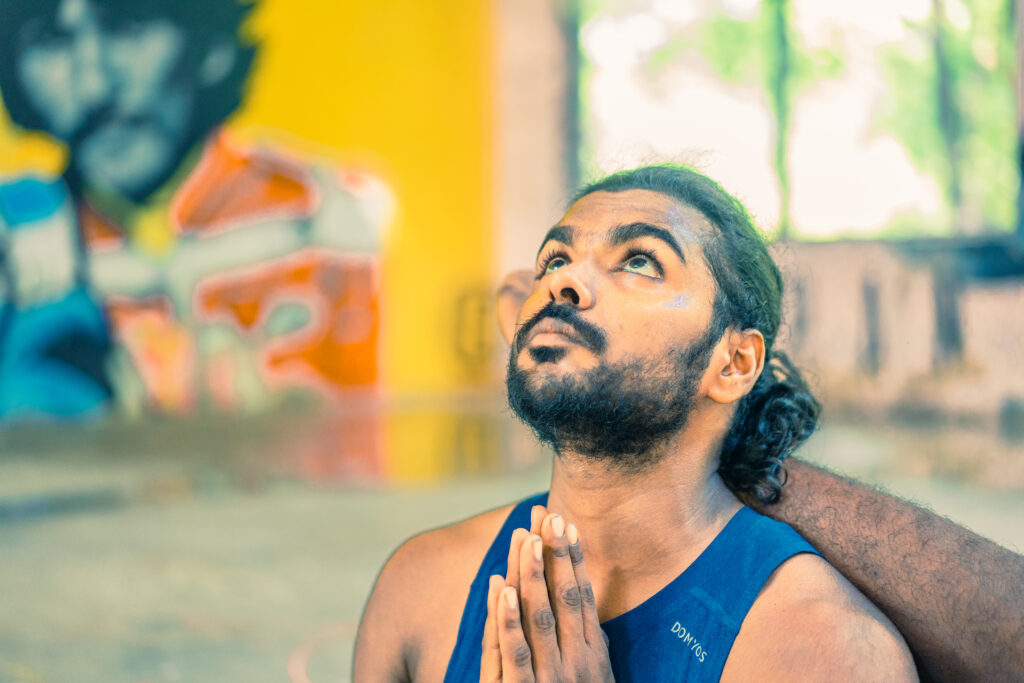
What is Ashtanga Yoga?
Ashtanga Yoga is a traditional and dynamic style of yoga that follows a specific sequence of postures synchronized with breath. The word “Ashtanga” comes from Sanskrit:
- Ashta = Eight
- Anga = Limbs
It refers to the Eight Limbs of Yoga described by the ancient sage Patanjali in the Yoga Sutras.
This style of yoga focuses on:
- Controlled breathing (Ujjayi breath)
- Continuous movement (Vinyasa flow)
- Fixed posture sequences
- Mental concentration and discipline
Unlike slower yoga styles, Ashtanga Yoga is energetic and physically challenging, making it popular among practitioners seeking strength, endurance, and inner focus.
History of Ashtanga Yoga
The roots of Ashtanga Yoga trace back to ancient Indian yogic traditions. The modern practice was popularized by K. Pattabhi Jois in the 20th century in Mysore.
Pattabhi Jois Ji developed and taught the structured Ashtanga Yoga system based on teachings passed down from his guru, Tirumalai Krishnamacharya, often called the “father of modern yoga.”
Today, Ashtanga Yoga is practiced worldwide and is respected for preserving the authenticity of traditional yogic discipline while supporting modern health and wellness goals.
Benefits of Ashtanga Yoga
1. Builds Strength
Ashtanga Yoga involves continuous movement and body-weight-supported postures that strengthen muscles, improve endurance, and build core stability. Regular practice tones the entire body naturally.
2. Improves Flexibility
The repeated practice of structured yoga sequences gradually increases flexibility in the spine, hips, shoulders, and legs. Over time, the body becomes more open, balanced, and agile.
3. Develops Discipline
One of the key principles of Ashtanga Yoga is consistency. Following a dedicated routine encourages self-discipline, patience, and commitment — qualities that positively influence daily life.
4. Enhances Focus and Mental Clarity
Breath control and synchronized movement help calm the mind and improve concentration. Practitioners often experience reduced stress, increased mindfulness, and greater emotional balance.
5. Supports Detoxification
The dynamic flow and controlled breathing generate internal heat, helping the body release toxins through sweat while improving circulation and energy flow.
Why Practice Ashtanga Yoga in Rishikesh?
Rishikesh is widely known as the “Yoga Capital of the World,” making it one of the best places to learn and practice Ashtanga Yoga authentically.
Located in the foothills of the Himalayas along the sacred Ganges River, Rishikesh offers a peaceful spiritual atmosphere ideal for yoga and meditation.
Here’s why students from around the world choose Rishikesh for Ashtanga Yoga:
- Authentic traditional yoga teachings
- Experienced and certified yoga gurus
- Spiritual environment for deeper practice
- Affordable yoga teacher training courses
- Natural surroundings that support healing and mindfulness
- Opportunity to experience Indian yogic culture firsthand
Practicing Ashtanga Yoga in Rishikesh is more than a fitness experience — it is a journey into traditional yogic living, self-awareness, and spiritual transformation.
Final Thoughts
Ashtanga Yoga is a powerful and traditional yoga practice that combines breath, movement, discipline, and mindfulness. It helps improve physical strength, flexibility, mental clarity, and emotional balance while encouraging a deeper connection between body and mind.
Whether you are a beginner or an experienced practitioner, learning Ashtanga Yoga in Rishikesh can provide an authentic and life-changing experience rooted in India’s ancient yogic heritage.
If you’re ready to begin, read our guide on How to start Ashtanga Yoga at home.
3 Comments
Very nice blog great man
So beautiful Aryan
Thank you very much Shimaa