
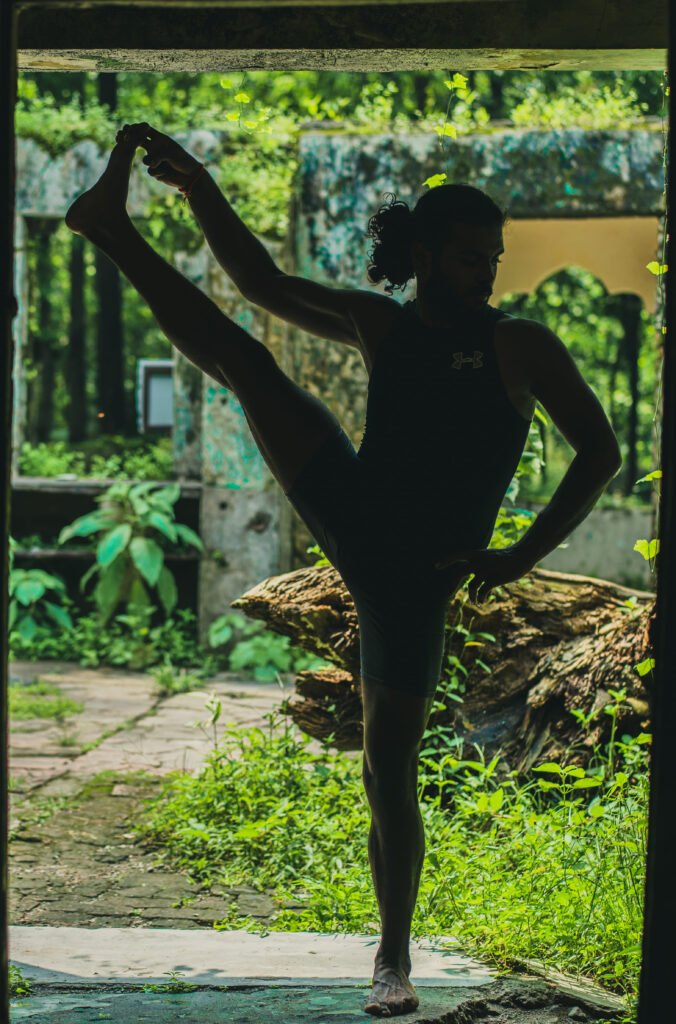
Introduction
Yoga has been practiced for thousands of years to improve physical health, mental clarity, and overall well-being. Today, millions of people around the world turn to yoga to reduce stress, build strength, and create a healthier lifestyle.
Among the many styles of yoga, Ashtanga Yoga stands out for its structured sequence, dynamic flow, and strong focus on breath and movement. Developed and popularized by Sri K. Pattabhi Jois Ji in Mysore, India, Ashtanga Yoga follows a set series of postures that help practitioners develop strength, flexibility, concentration, and discipline.
Whether you are completely new to yoga or looking to deepen your practice, understanding the benefits of Ashtanga Yoga can help you decide if this traditional method is right for you.
1. Builds Full-Body Strength
One of the most noticeable benefits of Ashtanga Yoga is increased strength.
Unlike gentle stretching routines, Ashtanga Yoga requires practitioners to support their own body weight through standing, balancing, and seated postures. Over time, this helps strengthen the arms, shoulders, core, back, and legs.
Regular practice develops functional strength that supports daily activities and improves overall fitness.
2. Improves Flexibility
Many people believe they need to be flexible before starting yoga. In reality, yoga helps you become flexible.
The repeated practice of postures gradually increases mobility in the hips, hamstrings, shoulders, and spine. As the body becomes more open, movement often feels easier and more comfortable both on and off the yoga mat.
Flexibility develops naturally through consistent practice rather than forcing the body into difficult positions.
3. Increases Stamina and Endurance
Ashtanga Yoga is a physically demanding practice that combines movement and breath in a continuous flow.
Completing even a short practice requires energy, focus, and endurance. Over time, practitioners often notice improvements in cardiovascular fitness, muscular endurance, and overall stamina.
Many students find that daily activities feel easier as their fitness levels improve.
4. Enhances Focus and Concentration
In Ashtanga Yoga, every movement is linked with a specific breath.
This connection between breath and movement requires practitioners to stay present throughout the practice. Rather than thinking about the past or worrying about the future, attention is brought back to the present moment.
As a result, many students experience improved concentration, mental clarity, and focus in their everyday lives.
5. Reduces Stress and Anxiety
Modern life can be overwhelming, and many people struggle with stress and anxiety.
The steady breathing techniques used in Ashtanga Yoga help calm the nervous system and create a sense of balance. Combined with mindful movement, the practice provides a healthy outlet for releasing physical and mental tension.
Many practitioners report feeling calmer, more relaxed, and better able to handle daily challenges.
6. Improves Posture and Body Awareness
Poor posture has become increasingly common due to long hours spent sitting, driving, and using electronic devices.
Ashtanga Yoga strengthens the muscles that support healthy posture while increasing awareness of how the body moves and aligns itself.
With regular practice, many students notice improved posture, better balance, and greater confidence in their movement.
7. Supports Healthy Weight Management
While weight loss should never be the only reason to practice yoga, Ashtanga Yoga can support healthy weight management.
The dynamic nature of the practice helps increase physical activity while encouraging healthier lifestyle habits. Many practitioners become more aware of their eating patterns, sleep quality, and overall well-being.
Combined with a balanced diet and healthy lifestyle, Ashtanga Yoga can contribute to maintaining a healthy body weight.
8. Creates Discipline and Consistency
One of the unique aspects of Ashtanga Yoga is its emphasis on regular practice.
Because students follow a structured sequence, they gradually develop discipline, commitment, and consistency. These qualities often extend beyond the yoga mat and positively influence other areas of life, including work, relationships, and personal goals.
The practice teaches patience and reminds us that progress comes through consistent effort.
9. Improves Breathing Capacity
Breath is at the heart of Ashtanga Yoga.
Practitioners learn to breathe deeply and consciously throughout the practice. Over time, this can improve breathing efficiency and increase awareness of how breath influences physical and mental states.
Many students find that mindful breathing helps them remain calm and focused in stressful situations.
10. Encourages Personal Growth
The benefits of Ashtanga Yoga extend far beyond physical fitness.
Regular practice encourages self-awareness, self-discipline, patience, and resilience. The challenges encountered on the mat often become valuable lessons that support personal growth in everyday life.
For many practitioners, yoga becomes more than exercise—it becomes a lifelong journey of learning and self-discovery.
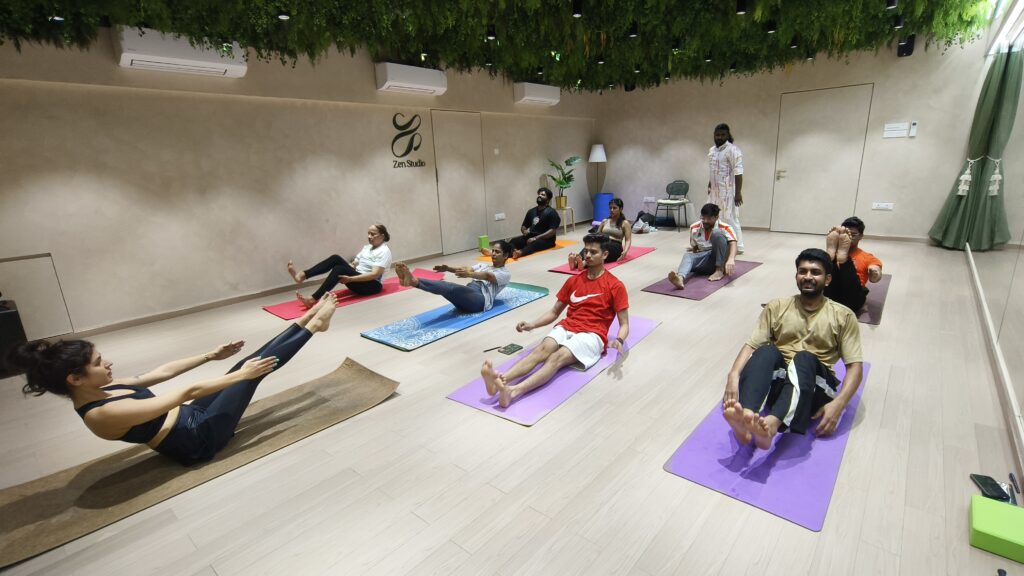
Who Can Benefit from Ashtanga Yoga?
One of the most common misconceptions about Ashtanga Yoga is that it is only for young, athletic, or highly flexible people.
In reality, Ashtanga Yoga can be practiced by people of many ages and fitness levels. Beginners can start slowly and gradually build strength, flexibility, and confidence over time.
The most important requirement is not flexibility or experience—it is consistency and a willingness to learn.
Final Thoughts
The benefits of Ashtanga Yoga go far beyond improving strength and flexibility. Through regular practice, students can develop better focus, healthier breathing patterns, increased discipline, and a greater sense of overall well-being.
Like any meaningful practice, the results come through patience and consistency. Small daily efforts often lead to significant long-term changes in both body and mind.
If you are new to the practice, consider starting with our guide on How to Start Ashtanga Yoga at Home. For those looking to deepen their understanding of traditional yoga, joining a structured training program can provide valuable guidance and support.
At Om Ashtanga Yogashala in Rishikesh, we offer traditional 200 Hour Yoga Teacher Training Courses designed to help students build a strong foundation in Ashtanga Yoga, Pranayama, Meditation, Anatomy, and Yoga Philosophy.
Whether your goal is personal growth or becoming a certified yoga teacher, Ashtanga Yoga offers a path of continuous learning and transformation.
About the Author
Aryan Chaudhary is the founder and lead trainer of Om Ashtanga Yogashala, a traditional yoga school in Rishikesh, India. With years of dedicated practice and teaching experience, he specializes in Ashtanga Yoga, pranayama, meditation, yoga philosophy, and Yoga Teacher Training Courses. Through his teaching, Aryan helps students develop a strong foundation in authentic yoga practice while embracing the deeper principles of yogic living.
👉 Learn more about our 200 Hour Yoga Teacher Training Course in Rishikesh